
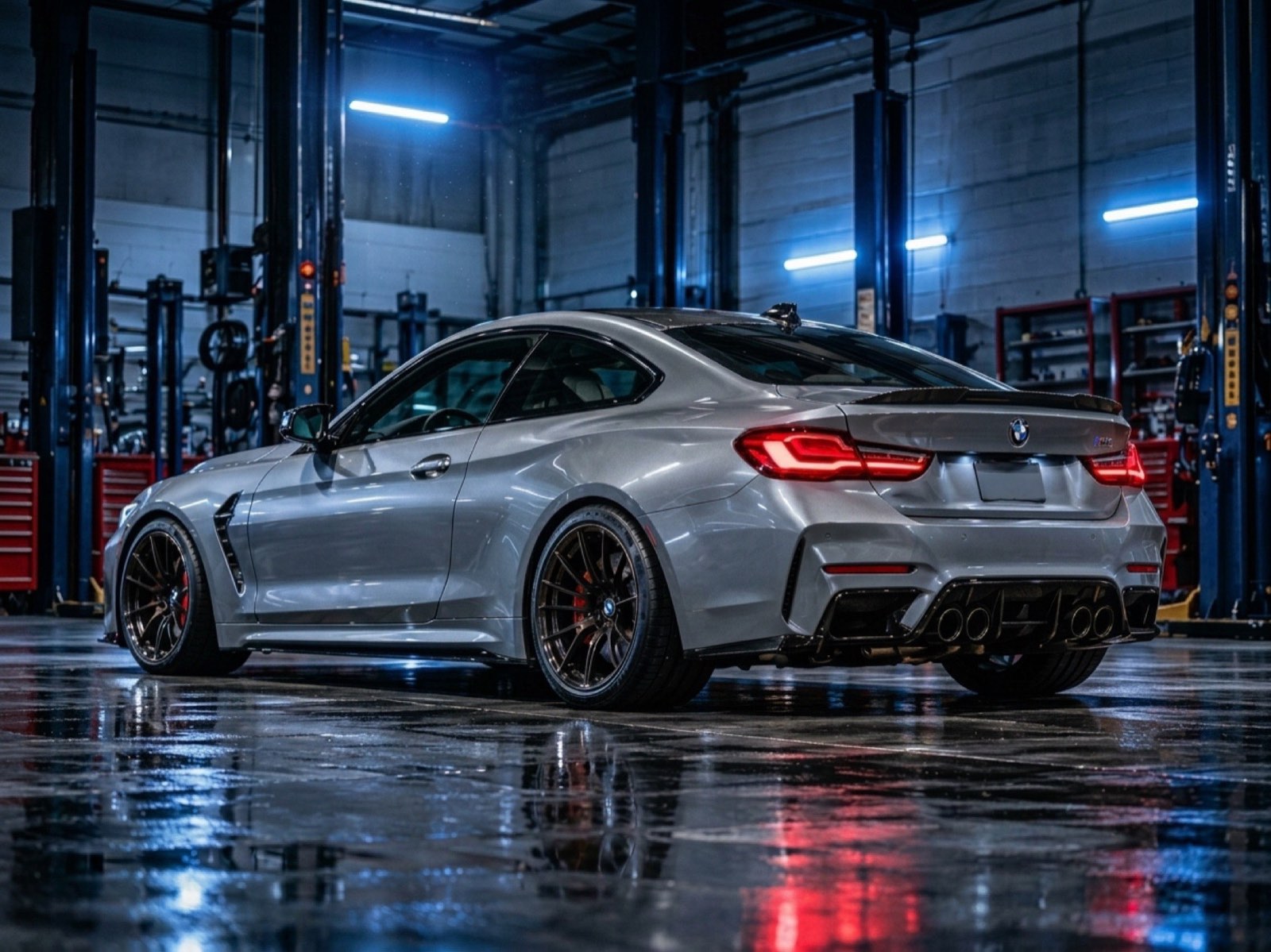
Stage 3. Built around your build.
In-depth calibration for vehicles with major hardware changes.
What Stage 3 means.
Stage 3 is for vehicles with major hardware changes. With larger hardware, off-the-shelf software rarely fits, so the calibration is developed around your specific build and refined as we learn how it behaves.
It takes more planning and more back-and-forth than the other stages. That is deliberate: it is how a build gets calibrated properly.
- Developed around your specific build
- More extensive calibration work
- Refined in steps with data
- Planned in detail with our team
What we plan around.
Every build is different. These are the areas that most shape a Stage 3 calibration.
- Air
Turbochargers
Upgraded or larger turbochargers change airflow and boost behaviour, so boost control and limits need careful development.
- Fuel
Fuel system
Injectors, pumps and fuel supply have to match the demand the calibration asks for.
- Engine
Engine internals
A built engine can change what is safe or sensible. We want to know exactly what has been done.
- Driveline
Transmission and driveline
More torque puts more load on the gearbox and driveline. Gearbox (TCU) calibration can be considered alongside.
- Heat
Cooling and supporting systems
Heat management matters more as demands rise, so cooling and supporting systems are part of the conversation.
- Monitoring
Gauges and datalogs
Good data is how a build gets refined. We use datalogs of engine parameters wherever the vehicle supports them.
How Stage 3 develops.
A staged process, with review points along the way.
-
01
Build review
We go through your parts list, your goals and any limits you want to respect.
-
02
Baseline
The ECU is read and backed up, and we confirm the hardware is healthy before changing anything.
-
03
First calibration
A considered starting calibration is written, with protective limits kept in view.
-
04
Datalog and refine
Engine parameters are logged, reviewed and the calibration is refined in steps.
-
05
Verify
Where it makes sense, results are checked on a dyno with the Dynotech team.
-
06
Handover
We go through the final result with you and agree any follow-up.
What to expect.
What we'll need from you
- A complete parts list and build details
- Photos or documents where helpful
- Realistic goals and how the car is used
- Time for refinement between steps
How we approach it
- We don't quote figures before reviewing the build
- We prefer hardware finished and working first
- We keep protective limits in view
- We refine in steps and review the data
Planning a build?
Talk to us before the parts arrive.
The best results come when the calibration and the hardware are planned together. Tell us what you have in mind and we'll help you plan it.
Good to know.
What counts as a Stage 3 build?
Typically major hardware changes such as upgraded turbochargers or fuelling. Send us your parts list and we'll confirm.
Is Stage 3 a one-off job?
Stage 3 usually involves more planning and refinement than the other stages, so we agree the process with you up front.
Can you tune a build before it is finished?
We prefer the hardware fitted and working so the calibration reflects the final build. Talk to us about your timeline.
Do I need dyno time?
Often it is worth it for a build. We discuss it with you as part of the plan and can involve the Dynotech team in Seekonk, MA.
Will you tune the gearbox as well?
Where the gearbox is supported, TCU calibration can be considered alongside the engine. See TCU & Gearbox Tuning.
Ready for Stage 3?
Find your vehicle, or send us the details and we'll confirm the next step.
Find your vehicle → Contact us →